
How to Achieve Professional Home Painting Techniques
Painting your home is more than just applying color to walls. It is about transforming your space with precision, care, and skill. Achieving professional home painting techniques requires planning, the right tools, and attention to detail. I will guide you through the essential steps to get a flawless finish that lasts. Whether you are a homeowner, contractor, or builder, these tips will help you deliver or enjoy a high-quality paint job.
Essential Home Painting Techniques for a Flawless Finish
Before you start painting, preparation is key. I always emphasize that the quality of your paint job depends heavily on how well you prepare the surfaces. Here are the steps I follow to ensure a smooth and professional finish:
Clean the surfaces thoroughly: Dirt, dust, and grease prevent paint from adhering properly. Use a mild detergent and water to clean walls and trim. Rinse and let dry completely.
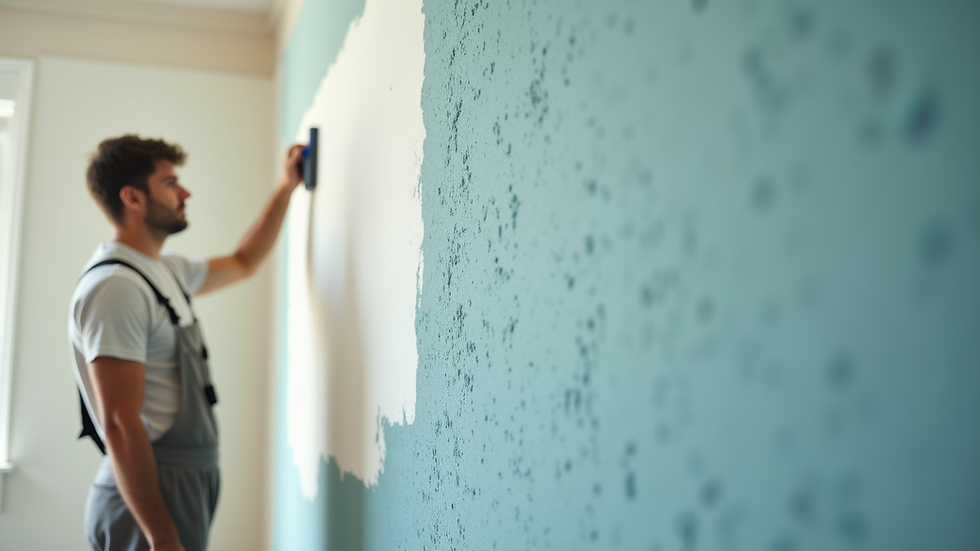
Repair any damage: Fill holes, cracks, and dents with spackle or wood filler. Sand the patched areas smooth once dry.
Sand the entire surface lightly: This helps the paint stick better and evens out any rough spots.
Use painter’s tape: Protect edges, trim, and fixtures with high-quality painter’s tape. This creates clean lines and prevents paint bleed.
Prime the surface: Primer seals porous surfaces and improves paint adhesion. It also helps cover stains and previous colors.
When you apply paint, use even strokes and avoid overloading your brush or roller. I recommend painting in sections, starting from the top and working your way down. This prevents drips and ensures consistent coverage.
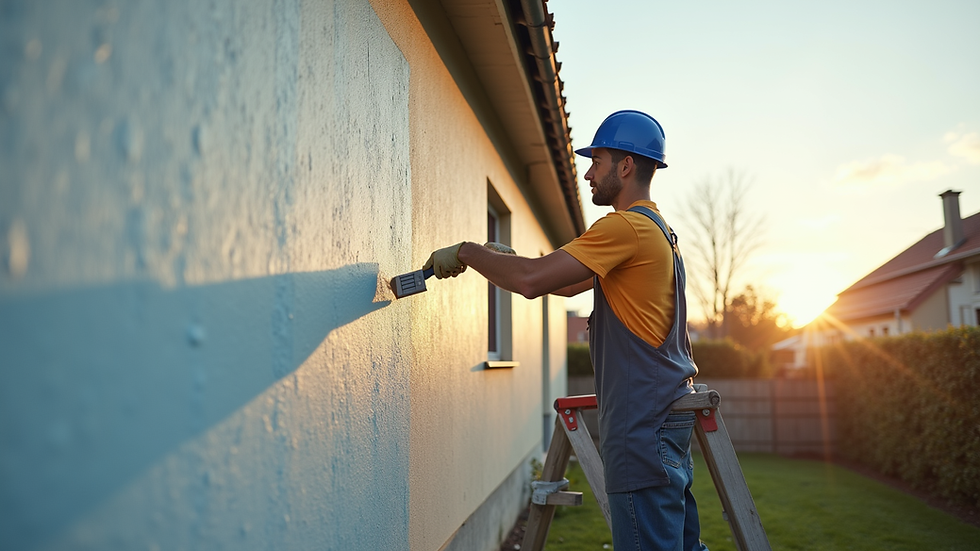
Choosing the Right Paint and Tools for Home Painting Techniques
Selecting the right paint and tools is crucial for a professional look. I always choose high-quality paints that suit the surface and environment. Here are some tips:
Pick the right paint finish: For walls, eggshell or satin finishes are popular because they are durable and easy to clean. For trim and doors, use semi-gloss or gloss for a polished look.
Consider paint type: Latex paint is common for interior and exterior walls because it dries quickly and cleans up with water. Oil-based paints are more durable but take longer to dry and require solvents for cleanup.
Use quality brushes and rollers: Cheap tools can leave streaks and bristles behind. Invest in synthetic brushes for latex paint and natural bristles for oil-based paint. Use rollers with the right nap length for your surface texture.
Have the right accessories: Drop cloths, paint trays, extension poles, and sanding blocks make the job easier and cleaner.
I always test a small area first to see how the paint looks and dries. This helps avoid surprises and ensures the color matches your vision.
How much do painters charge to paint a full house?
Understanding the cost of professional painting helps you budget and plan effectively. Painters typically charge based on the size of the house, the number of rooms, surface condition, and paint quality. Here’s a breakdown:
Average cost per square foot: Most painters charge between $1.50 and $4.00 per square foot for interior painting. Exterior painting can range from $1.00 to $3.50 per square foot.
Additional costs: Repairs, priming, and special finishes can add to the price. Removing old paint or wallpaper also increases labor.
Labor and materials: Labor usually accounts for 70% to 85% of the total cost. High-quality paint and supplies make up the rest.
Get multiple quotes: Always request detailed estimates from several painters. This helps you compare prices and services.
Remember, the cheapest option is not always the best. Investing in skilled painters ensures a durable and beautiful finish that saves money in the long run.

Tips for Maintaining Your Painted Surfaces
Once you achieve a professional paint job, maintaining it is essential to keep it looking fresh. Here are some practical tips:
Clean painted surfaces regularly: Use a soft cloth or sponge with mild soap and water. Avoid harsh chemicals that can damage the paint.
Touch up chips and scratches promptly: Keep leftover paint for quick repairs. This prevents further damage and keeps the surface uniform.
Inspect for moisture and mold: Address leaks and dampness immediately to avoid paint peeling and discoloration.
Avoid abrasive cleaning tools: Scrubbing with rough brushes or pads can wear down the paint finish.
Repaint when necessary: Exterior paint typically lasts 5-10 years, depending on weather conditions. Interior paint can last longer but may need refreshing in high-traffic areas.
Regular maintenance extends the life of your paint and preserves the beauty of your home.
Why Professional Craftsmanship Matters in Home Painting Techniques
Professional craftsmanship is the difference between a quick paint job and a lasting transformation. I have seen many projects where attention to detail and skill made all the difference. Here’s why it matters:
Precision and neatness: Professionals know how to cut in clean lines and avoid drips or uneven coverage.
Proper surface preparation: Skipping prep work leads to peeling and flaking paint. Experts take the time to prep thoroughly.
Use of quality materials: Professionals select the best paints and tools for the job, ensuring durability.
Experience with different surfaces: From drywall to wood, masonry to metal, professionals understand how to handle each material.
Time efficiency: Skilled painters work efficiently without sacrificing quality, minimizing disruption.
Choosing a trusted painting service guarantees a result you can be proud of. It also protects your investment in your home or property.
Achieving professional home painting techniques is a rewarding process. With the right preparation, tools, and knowledge, you can transform any space with confidence. Whether you paint yourself or hire experts, these tips will help you get the best results. For those looking for reliable and high-quality house painting services in Greenville County, SC, focusing on craftsmanship and customer satisfaction is key. A well-done paint job not only beautifies your home but also adds value and protection for years to come.

Comments